Reopening the Bin: New Insights on Waste Research

Re-Opening The Bin looks in good company next to the first Opening the Bin book.

I finally received my new 2024 Opening the Bin book from Cambridge Scholars Publishing!

Re-Opening The Bin looks in good company next to the first Opening the Bin book in my office shelf.

👉 Available at: https://cambridgescholars.com/product/978-1-0364-0638-7

The second OTB book, Waste Research from the Social Sciences and Humanities Perspectives: Reopening the Bin, is available, to which I contributed a chapter in the Waste Practices Section, “Waste Safari XMass: A Visual Narrative with Single-use Plastics”.
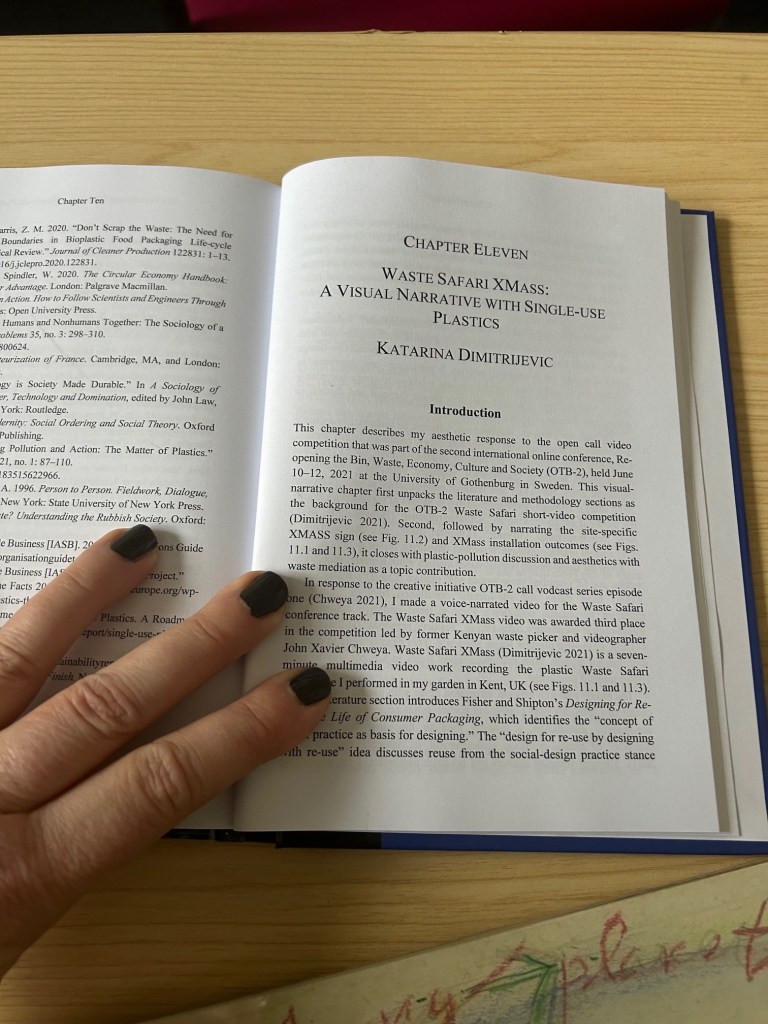
Chapter in the Waste Practices Section, "Waste Safari XMass: A Visual Narrative with Single-use Plastics".


This book brings together diverse international scholars who interrogate waste from a myriad of disciplines within the social sciences and humanities. These disciplines explore the many faces and dimensions of waste, adding new understandings of common and hidden waste-related problems. These insider perspectives and reflections offer innovative ways of addressing waste-related dilemmas by highlighting solutions and proposing new approaches.

Thank you to the editorial dream team: Alison Stowell Jutta Gutberlet Francisco Valenzuela Patrik Zapata and María José Zapata Campos 👏 and Cambridge Scholars Publishing!

I agree that we are biased with Alison Stowell, co-editor, but it is a great read. There are many exciting chapters covered in three sections: Waste Communities, Waste Policy and Governance, and Waste Practices.

👉 Follow Opening The Bin at: https://www.facebook.com/openingthebin https://www.instagram.com/openingthebin/?hl=en

I look forward to reading all the contributors’ chapters over the festive season! I thoroughly enjoyed Marta Ferrie’s Chapter Ten, “The Morality and Discipline of Single-Use Plastics.”

@KraalD #wasteresearch #OTB-2

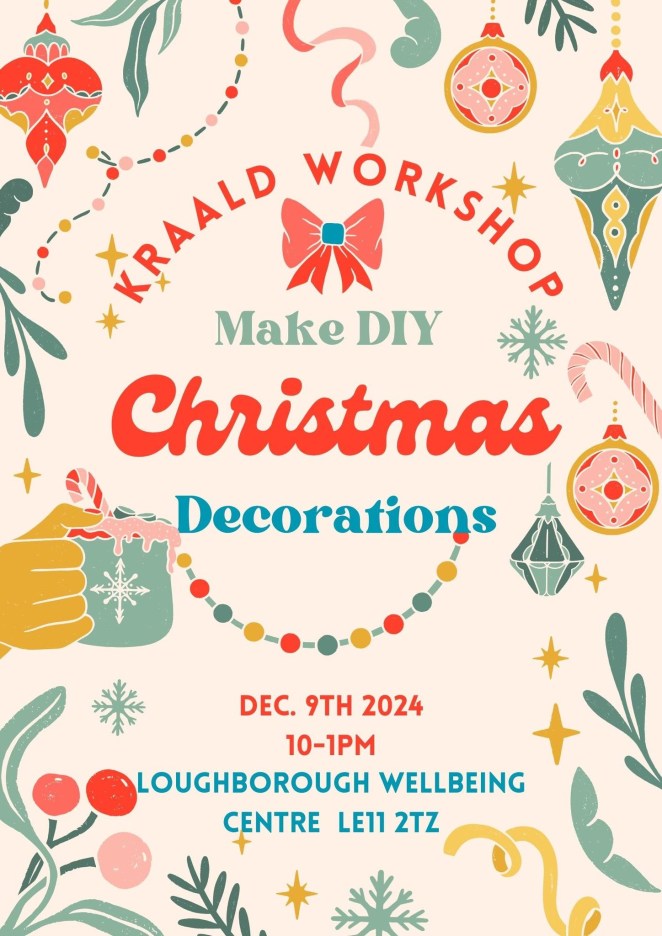
Join KraalD’s Eco-Friendly Christmas Workshop

⭐

KraalD DIY Christmas Workshop

Loughborough Wellbeing Centre

⭐ KraalD  Christmas Workshop⭐

In collaboration with the Loughborough University @Loughborough Wellbeing Centre team, we will be offering a free DIY Christmas Decoration workshop on Monday, 9th December 2024, from 10 am to 1pm.

This workshop is open to all and will be run by Katarina Dimitrijevic from KraalD, who researches plastic pollution and promotes reuse through participatory craft-making!

Come along and make some DIY decorations for your tree. Our cafe will be open all morning, and you are welcome to join our Wellbeing Cafe, too!

Looking forward to making DIY Christmas decorations together from post-consumer single-use plastics. All DIY materials provided are washed and sterilised.

🎄
🎄
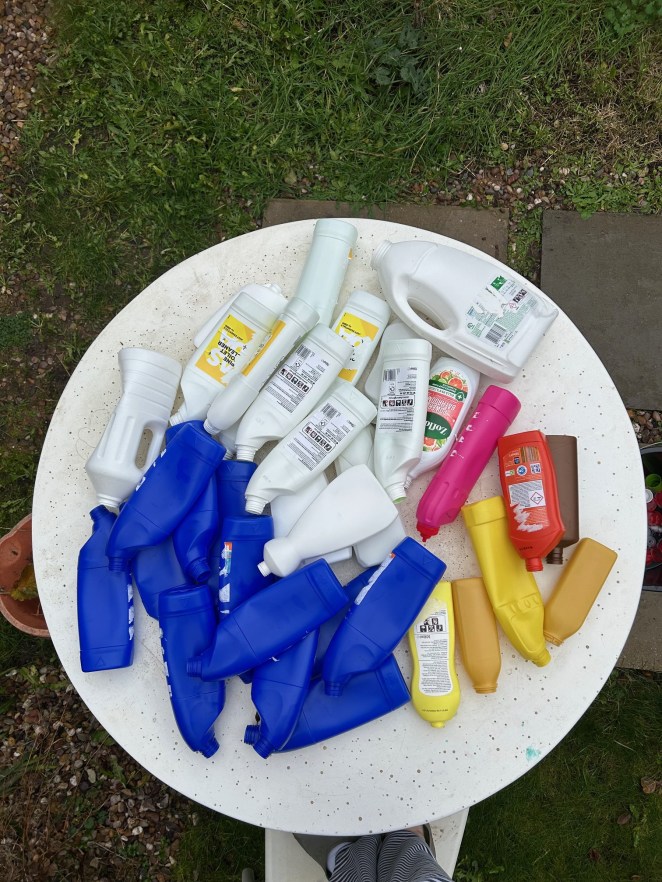
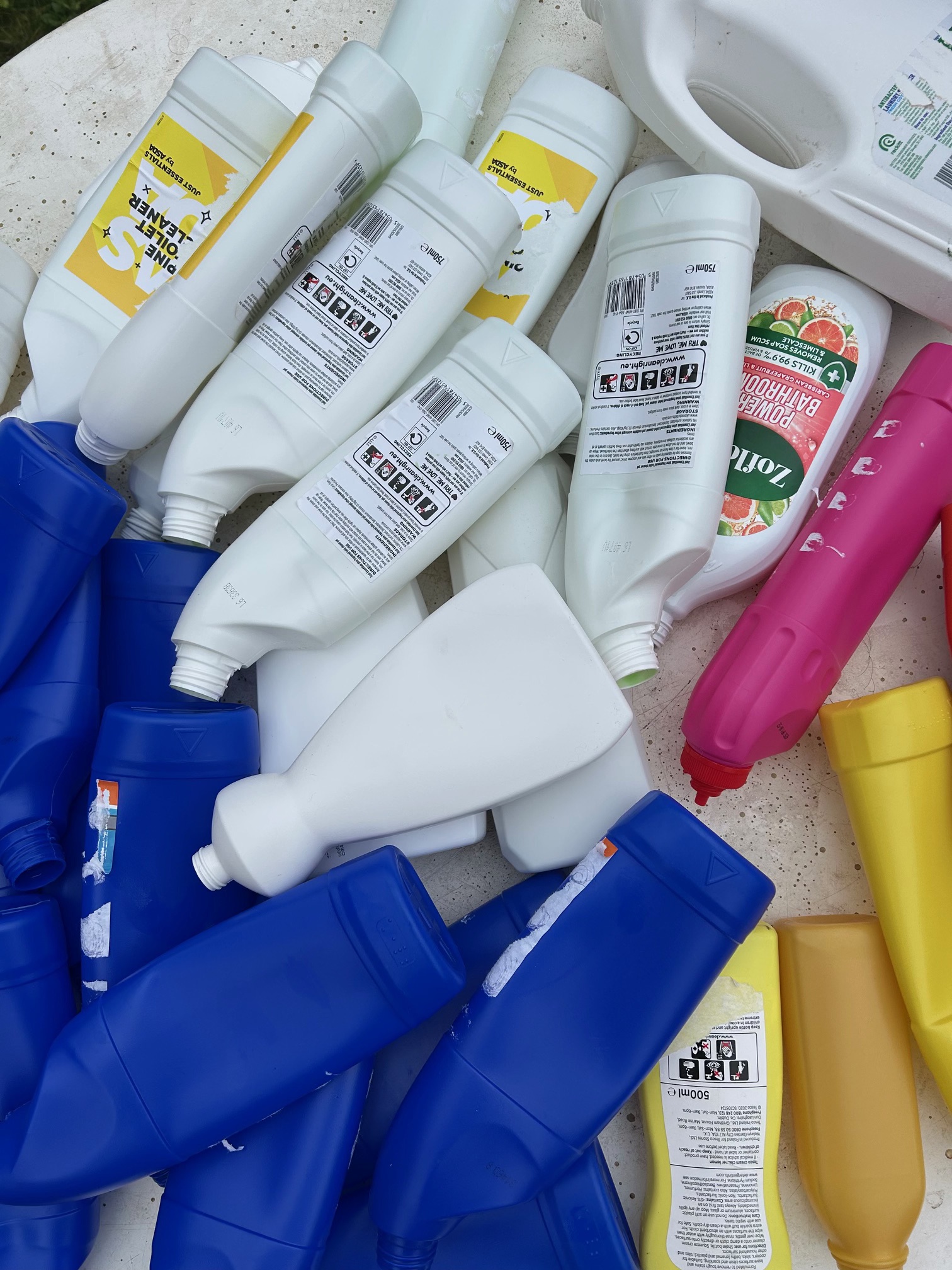
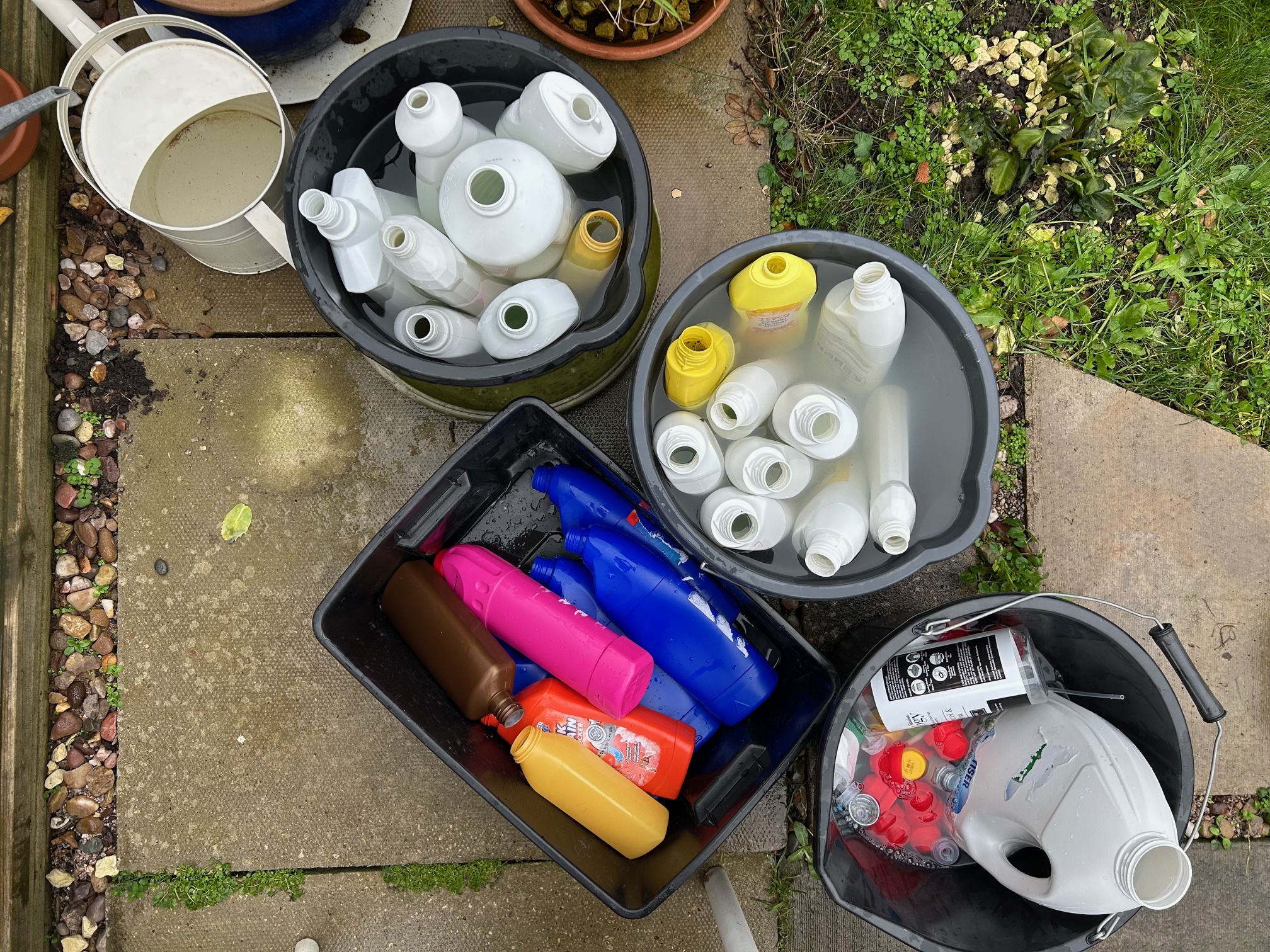
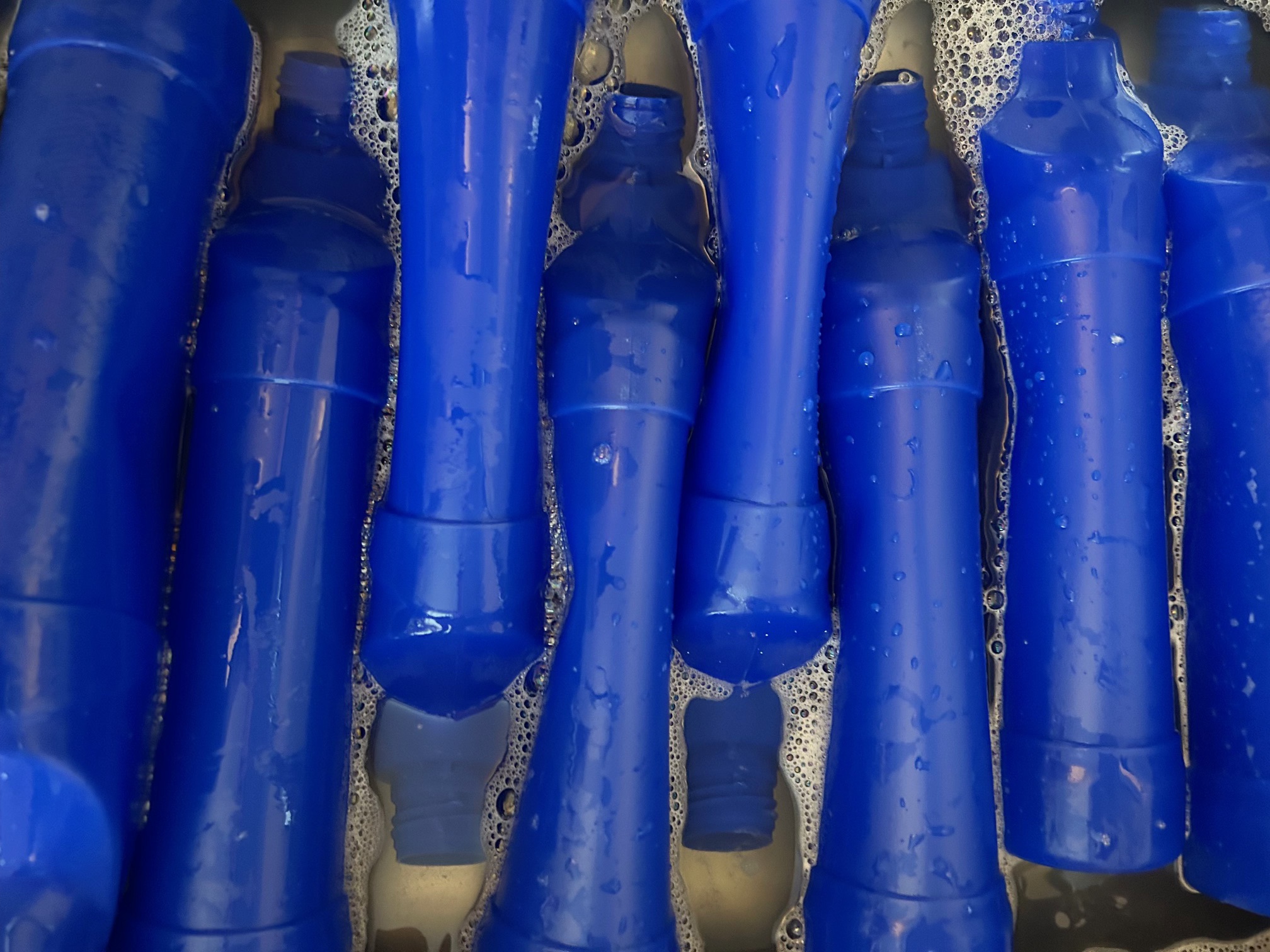
The workshop preparations are underway! See the progress of sorting and washing plastics below.

Plastics with the Living Voice

Plastics with the Living Voice_The Sea PET

Goldsmiths Postgraduate Research Conference 2019 ‘Futures of the Real’

Plastics with the Living Voice

KraalD praxis continues to nurture a complex metaspace, self-entangled in design research, art and craft-making practice with plastic things exploring ontologies of the “more than human worlds” borrowing the term from the (Maria Puig de la Bellacasa, 2017). My speculative materiality research with plastic things was initially theoretically influenced by Bill Brown’s (2001), “Thing Theory” literal critique that rests upon the “material fetishism” (Brown, 2001, p. 5).  Brown argues that as a society, we confront the thingness of objects only when they stop functioning for us (Brown, 2001, pp.1-22). Ambiguous in its core, the power of the thing is almost always associated as ugly once it has been pulled out of its context, eliminated and exorcised.

In the “Metamorphoses” Braidotti (2002), concludes that “if you don’t like complexities of real life you could not possibly feel at home in the third millennium” and predicts that “non-unitary subjectivity, complexity and multiplicity will be the key terms for the 21 century…as well as the fear, terror, ethical and political panic combined with technological and cultural advances” (Braidotti, 2002, p. 263-264).

The research journey further combined Bill Brown’s theory with the Rosie Braidotti (2006) Nomadic ethics, strongly influenced by the “Transpositions” that justifies my changing order of intent “into bio-centred egalitarianism” (Braidotti, 2006:111), and following the notion of the plastics with nonhuman other material embodiment.