How Installation Art Can Make Plastic Waste More Tangible

Below, I am sharing my published article from THE CONVERSATION UK.

Read the full article on The Conversation https://theconversation.com/how-installation-art-can-make-plastic-waste-more-tangible-274070

https://doi.org/10.64628/AB.73fuggupq

Author Katarina Dimitrijevic, Lecturer, Loughborough University, published on 26 June 2026.

Science tells us that plastic lives forever. From oceans to urban streets, plastic pollution has become a defining geological marker of our time – entangled with nature, yet often hard to see. 

While we often measure plastic pollution in tonnage of microplastics, those numbers can feel abstract. The reality is more immediate: plastic is everywhere – in our homes, on our streets, in our bodies and from soil to sea spray. Waste is designed to disappear, but the truth is that it doesn’t.

For the past 15 years, I have used art to connect the public to this issue through reuse workshops and interactive art installations made from single- use plastics. In these exhibitions, visitors don’t just look at plastic waste; they experience it as a vibrant material that is capable of sparking new environmental conversations and creative approaches to reuse.

This work comes out of my studio, KraalDesignedisposal, which I set up in 2010. KraalD began as a playful experiment: exploring the circularity of plastic waste, turning discarded objects into art and inviting audiences to rethink what we throw away. 

One piece, the Xmass workshop sign, captures the feeling I get every December when recycling bins overflow and streets glitter with festive decorations. It’s whimsical, but it also carries a deeper message – my unease about excess wrapped in celebration.
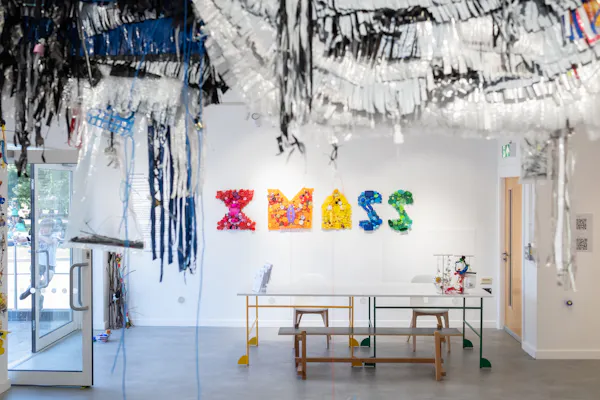
KraalD, 2025, XMass Workshop space, Plastic Waste Ecologies.

A walk along the Kent coast after a storm inspired one of my early works. The shoreline was covered in seaweed, shells, jellyfish – and plastic. I picked up a sun-bleached blue toy and realised how quickly a small piece of rubbish becomes part of the ocean food chain.

Weathered and worn by the waves, plastic fragments break down into microplastics that marine animals ingest. That simple encounter on Whitstable beach and Medway river became the spark for Plastic Waste Ecologies, an exhibition I co-curated with artist Carina Brand.

Visitors to the Plastic Waste Ecologies exhibition encountered plastic clouds suspended from the ceiling. Standing beneath them, people instinctively looked up – checking the sky, noticing tiny details. I hope this inspired them to think about how plastics circulate through the air.

KraalD, 2025, Sea PET mobile installation, Plastic Waste Ecologies

Sea PET mobiles – hanging sculptures made from repurposed plastic – imagine a 150-year future where ocean acidification changes marine life, jellyfish thrive, and the flow of natural cycles, or planetary metabolism, becomes visible. These installations are built from pieces collected over a decade, demonstrating that art can make environmental processes tangible and immediate.
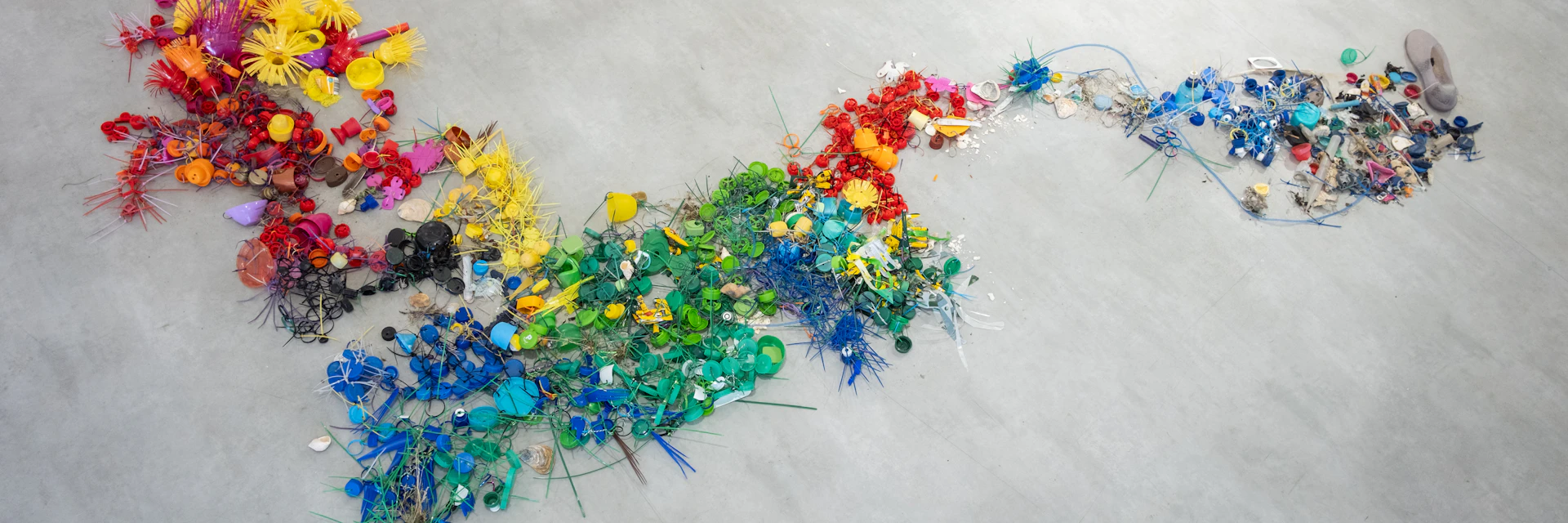
KraalD, 2025, Beach Wrack floor installation, Plastic Waste Ecologies

Through workshops and co-designed installations, participants become part of the work. They helped shape another work, Beach Wrack, and contributed elements to the mobiles, taking part in a process that merges creativity, care and environmental reflection. 

Conversations were had about waste and conservation while making – this highlighted the ubiquitous presence of plastic and the small gestures through which people can engage with waste differently.

The artworks that result are more than just aesthetic; they are conversation starters and prompts for reflection, showing that the challenge of mismanaged plastic waste is both systemic and personal.

I believe installation art can be a vital tool in environmental dialogue – one that transforms curiosity into awareness, and awareness into action.

This article is part of Climate Storytelling, a series exploring how arts and science can join forces to spark understanding, hope and action.

Reopening the Bin: New Insights on Waste Research

Re-Opening The Bin looks in good company next to the first Opening the Bin book.

I finally received my new 2024 Opening the Bin book from Cambridge Scholars Publishing!

Re-Opening The Bin looks in good company next to the first Opening the Bin book in my office shelf.

👉 Available at: https://cambridgescholars.com/product/978-1-0364-0638-7

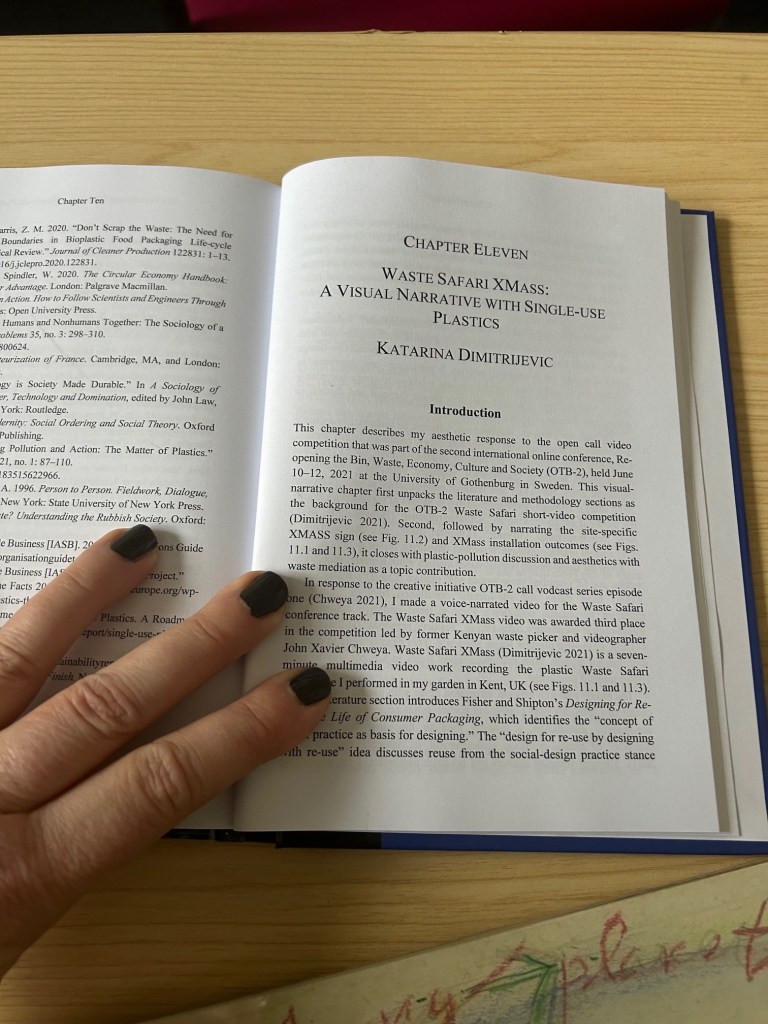
The second OTB book, Waste Research from the Social Sciences and Humanities Perspectives: Reopening the Bin, is available, to which I contributed a chapter in the Waste Practices Section, “Waste Safari XMass: A Visual Narrative with Single-use Plastics”.

Chapter in the Waste Practices Section, "Waste Safari XMass: A Visual Narrative with Single-use Plastics".


This book brings together diverse international scholars who interrogate waste from a myriad of disciplines within the social sciences and humanities. These disciplines explore the many faces and dimensions of waste, adding new understandings of common and hidden waste-related problems. These insider perspectives and reflections offer innovative ways of addressing waste-related dilemmas by highlighting solutions and proposing new approaches.

Thank you to the editorial dream team: Alison Stowell Jutta Gutberlet Francisco Valenzuela Patrik Zapata and María José Zapata Campos 👏 and Cambridge Scholars Publishing!

I agree that we are biased with Alison Stowell, co-editor, but it is a great read. There are many exciting chapters covered in three sections: Waste Communities, Waste Policy and Governance, and Waste Practices.

👉 Follow Opening The Bin at: https://www.facebook.com/openingthebin https://www.instagram.com/openingthebin/?hl=en

I look forward to reading all the contributors’ chapters over the festive season! I thoroughly enjoyed Marta Ferrie’s Chapter Ten, “The Morality and Discipline of Single-Use Plastics.”

@KraalD #wasteresearch #OTB-2

Join KraalD’s Eco-Friendly Christmas Workshop

⭐

KraalD DIY Christmas Workshop

Loughborough Wellbeing Centre

⭐ KraalD  Christmas Workshop⭐

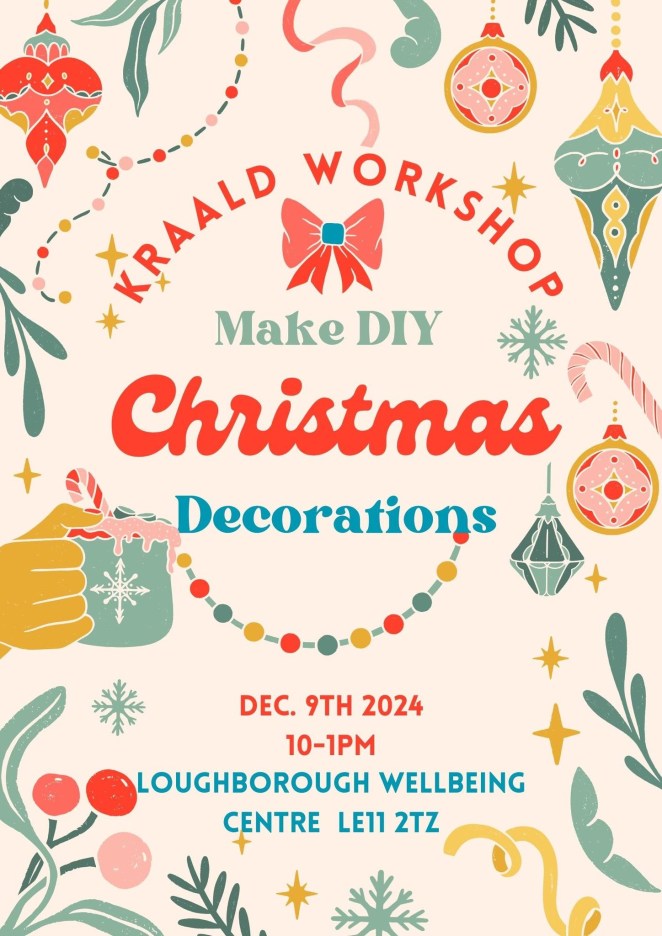
In collaboration with the Loughborough University @Loughborough Wellbeing Centre team, we will be offering a free DIY Christmas Decoration workshop on Monday, 9th December 2024, from 10 am to 1pm.

This workshop is open to all and will be run by Katarina Dimitrijevic from KraalD, who researches plastic pollution and promotes reuse through participatory craft-making!

Come along and make some DIY decorations for your tree. Our cafe will be open all morning, and you are welcome to join our Wellbeing Cafe, too!

Looking forward to making DIY Christmas decorations together from post-consumer single-use plastics. All DIY materials provided are washed and sterilised.

🎄
🎄
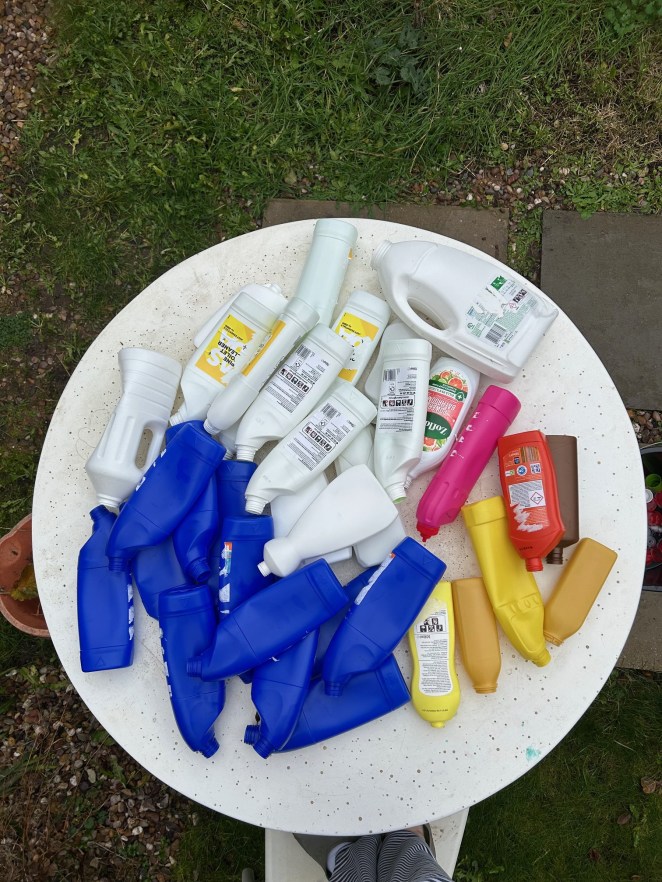
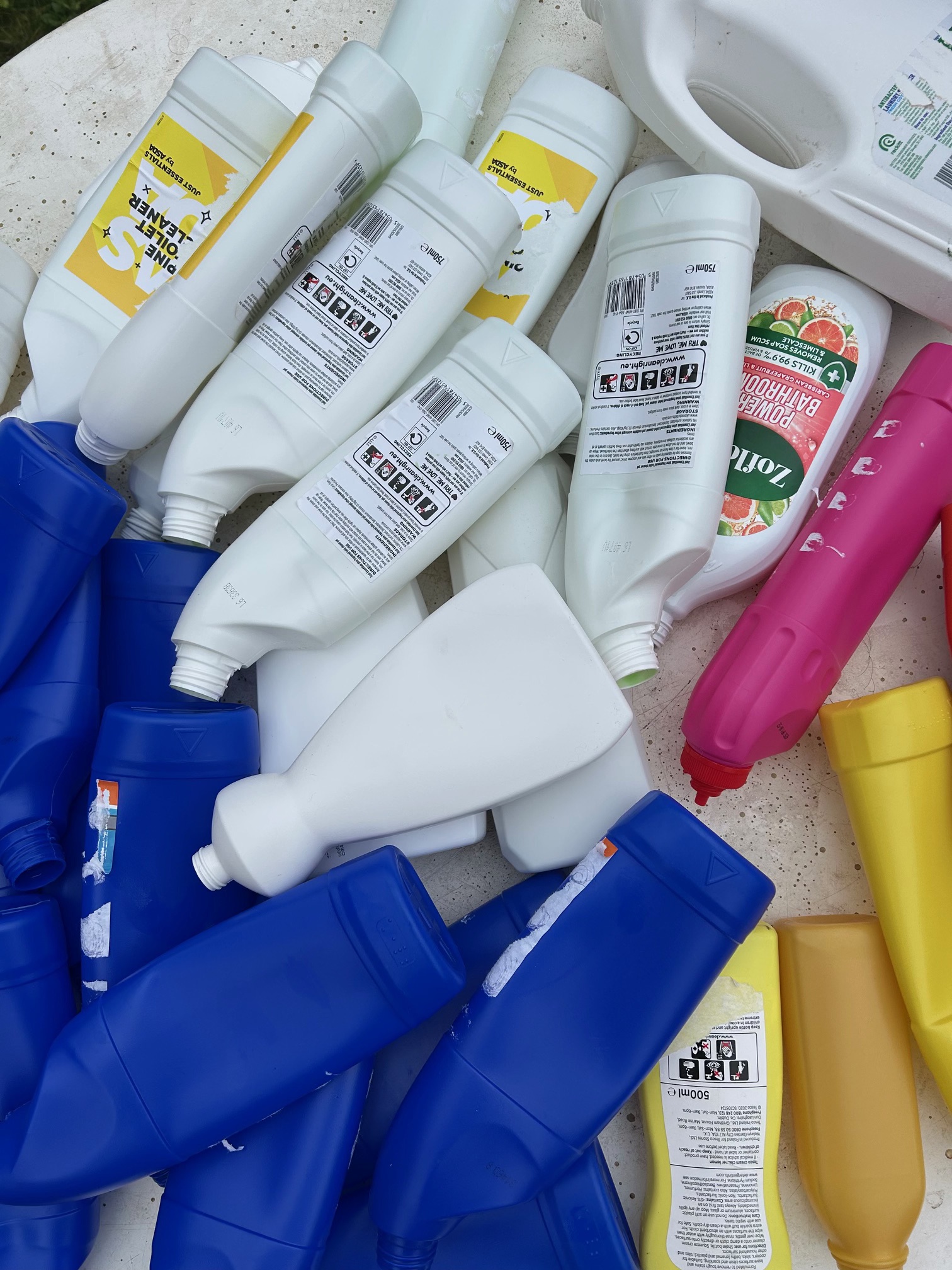
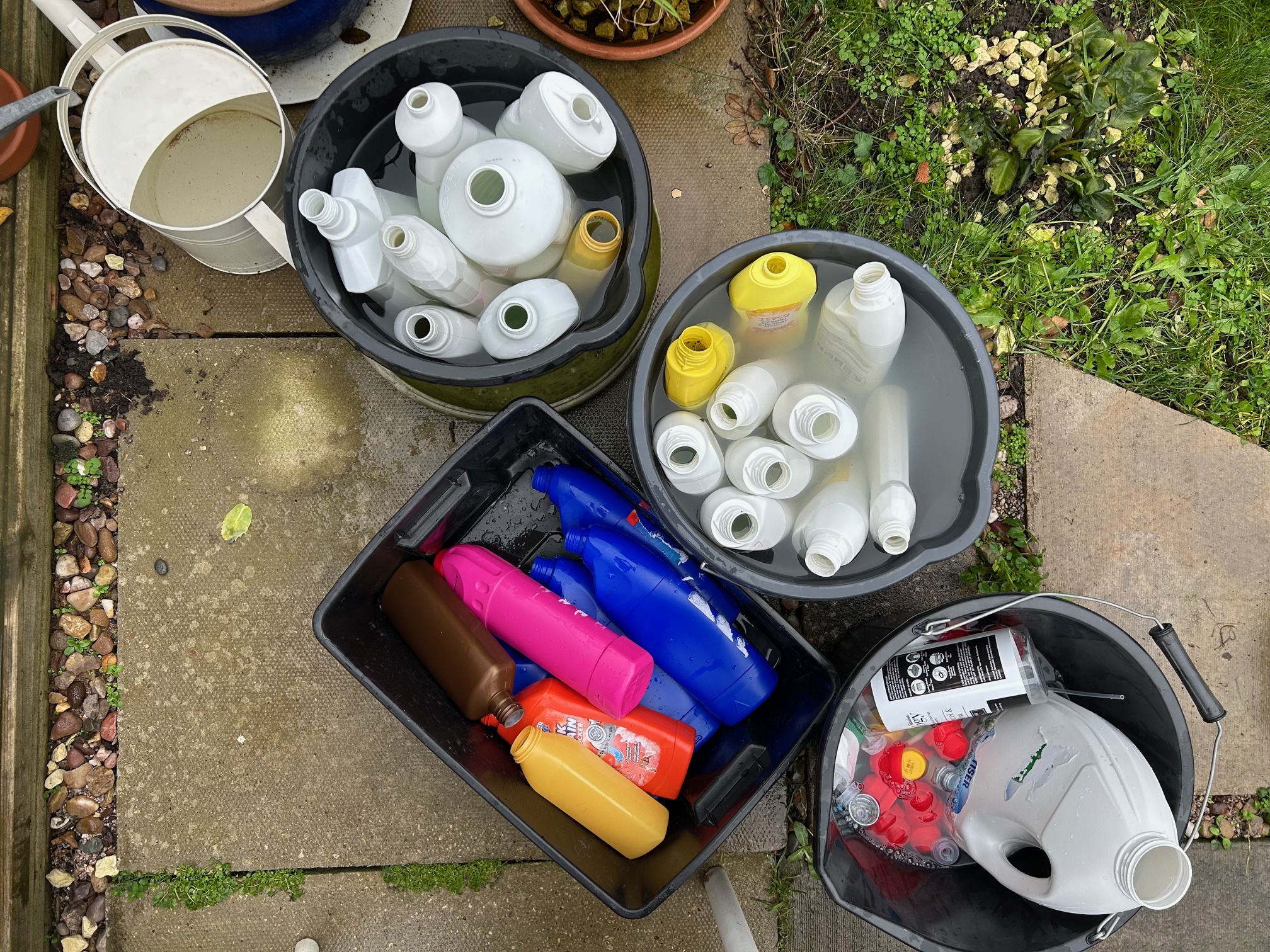
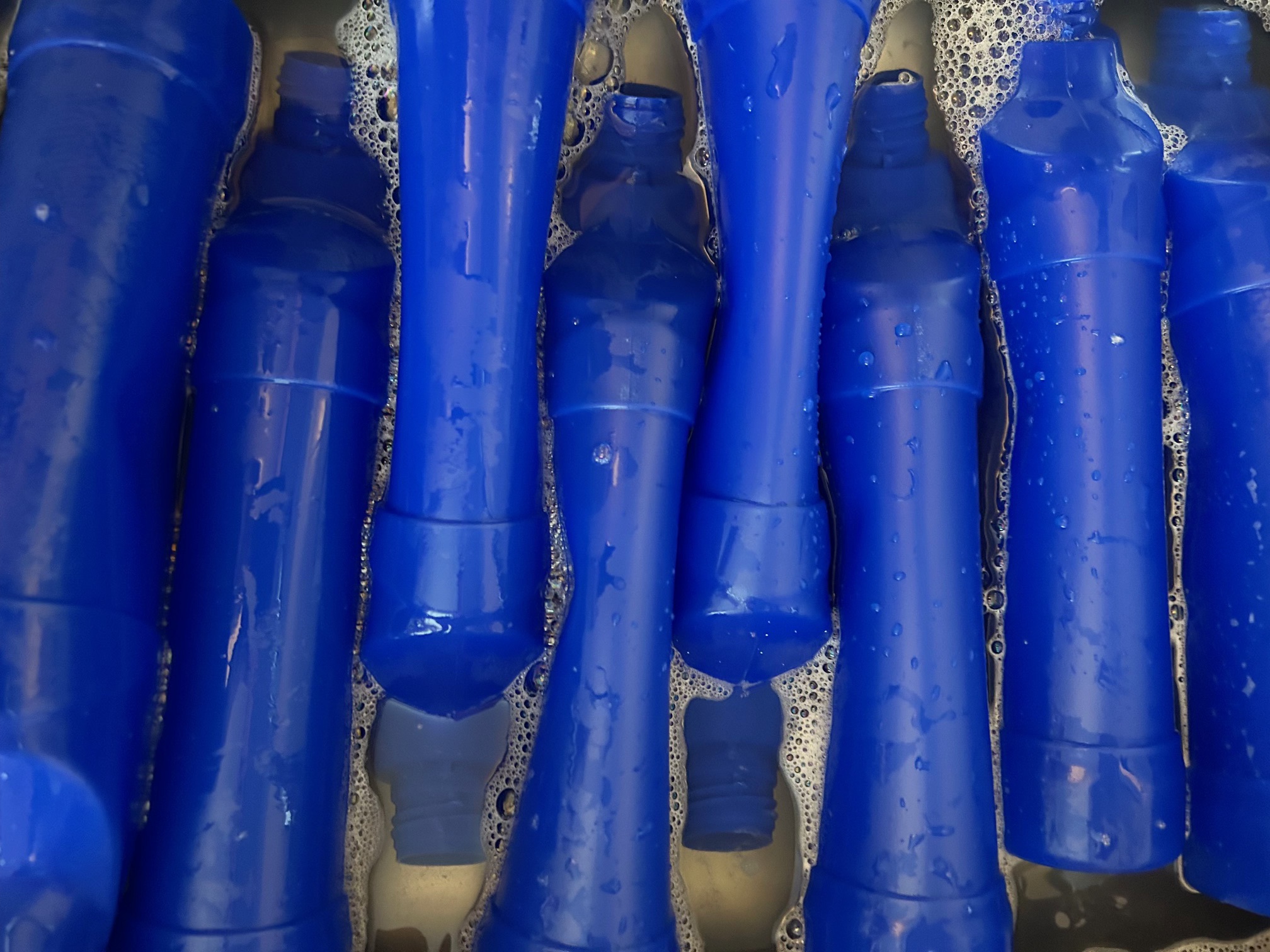
The workshop preparations are underway! See the progress of sorting and washing plastics below.

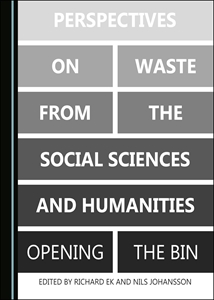
PERSPECTIVES ON WASTE FROM THE SOCIAL SCIENCES AND HUMANITIES: OPENING THE BIN

@CambridgeScholarsPublishing @cambridgescholarsofficial @CamScholars 

Amid the uncertainty, though I hope today to bring on board some good news, and that is that new book with Cambridge Scholars, Perspectives On Waste From The Social Sciences And Humanities: Opening The Bin edited by Richard Ek and Nils Johansson is about to be published. I am delighted to be amidst contributing authors on the topic of waste, see the table of contents below. https://www.cambridgescholars.com/perspectives-on-waste-from-the-social-sciences-and-humanities| 2020-05-01

Waste is something we encounter on an everyday basis. Today, the waste-mountain is increasing despite ambitious measures being taken to decrease it. Consequently, increased scholarly interest is being devoted to waste, but primarily from a technocratic and scientific point of view. This compilation offers different perspectives on waste, its characteristics, and its presence in the world from social scientist and humanist standpoints. Waste is the constant companion to the human, and is thus inherent in modern society.

Therefore, waste needs to be further approached and understood from a plethora of scholarly perspectives and disciplines, and further investigated through a multitude of methodologies and data collection techniques. The imagination of a future where waste-preventive actions and circular economies permeate society can only be a reality if technocratic and scientific accounts of what is to be done, when, and how, are complemented by social scientific and humanist concepts of the nature and constitution of waste. Such a perspective offers the possibility to understand how waste is constituted through relationships, language, materials, politics, practices and structures. This book shows that philosophers, historians, cultural theorists and economists have much to offer on the topic of waste as a part of everyday modern life.

TABLE OF CONTENTS

Introduction: Opening the Bin to the Social Sciences and the
Humanities 3
Nils Johansson and Richard Ek

Chapter 1: Waste’s Social Order: A Historical Perspective 10
Anne Berg

Chapter 2: On Hauntology: A Turn To The Specter of Waste 24
Lisa Doeland

Chapter 3: Waste on Screen: Of Trashing, Littering and
Recycling in American TV-Series 41
Fanny Verrax

Chapter 4: Mending. Female Education in Waste Prevention
Over The Centuries 57
Heike Darwanz

Chapter 5: Moving Waste Around: Recycling and the
Governance of Waste Management 77
Myra J. Hird and Cassandra Kuyenhoven

Chapter 6: Waste, A Matter of Energy. A Diachronic
Analysis (1992-2017) of Waste-to-Energy Rationales 96
Laurence Rocher

Chapter 7: Environmental Concern in Waste Economy–A Case
Study of Waste Policy In Finnish Lapland 116
Veera Kinnunen, Heikki Huilaja,
Johanna Saariniemi and Jarno Valkonen

Chapter 8: Visualising the North Atlantic Gyre Patch 137
Katarina Dimitrijevic

Chapter 9: The Effect of Proximity on Waste Management
within the New Vision of Circular Economy in France 161
Jean-Baptiste Bahers and Mathieu Durand

Chapter 10:Waste-in-Becoming, Value-in-Waiting: On Market
Performativity and Value Propositions of Waste Electrical and
Electronic Equpment (WEEE) 176
Jennie Olofsson

Chapter 11: The Ocean as Thingspace. From The Ocean As
“Master of Disappearance” To The “Friendly Floatees” and a
New Ocean Cosmology 198
Petra Beck

Chapter 12: Designing For An Inclusive Waste Service:
Experiences from Applying Norm-Critical Design Methods
in Waste Service Development 215
Lisa Andersson, Marcus Jahnke,
Julia Jonasson and Rebecca Röström

Chapter 13: The Fashion Waste Management Process at ReTuna–
A Study of Unstable Classifications of Textile Goods 240
Lars Hedegård and Eva Gustafsson

Chapter 14: Apple’s Recycling Robot ‘Liam’ and the
Global Recycling Economy of E-Waste. What ‘The Guardian’
Does, And What He Misses Out On 265
Stefan Laser and Alison Stowell

List of Contributors 280